
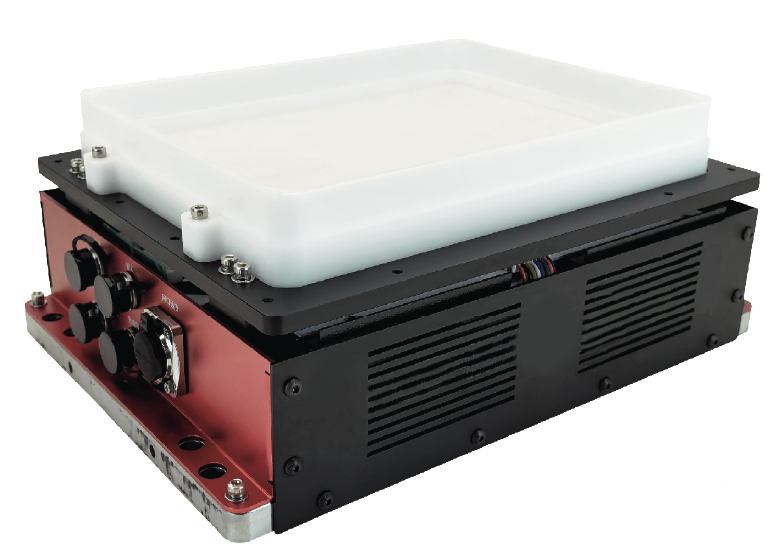
Product Model:WRL-240
Applicable part size range: 5-40 MM / 40MM slender type Tray structure/material: Aluminum alloy tray
Tray load capacity: 0.7 KG
Tray vibration amplitude: ±5 mm
Weight: 13.4 kg
Power supply: 12V/100W
Overall dimensions (L/W/H): 321 x 232 x 126.5 mm Tray dimensions (L/W/Depth): 244 x 184 x 36 mm Mounting hole spacing: 306 x 170 mm
Flexible Vibratory Feeder Application Overview:
① Versatility and wide applicability: Suitable for arranging and singulating bulk small parts in 99% of automated production scenarios, especially thin sheet parts
, soft rubber parts, irregular-shaped parts, etc., where traditional bowl feeders have difficulty feeding. It offers a clear advantage in part arrangement.
② User-friendly interface and easy adjustment: The flexible feeder control system can be optionally equipped with a 7-inch touchscreen, allowing users to adjust motions and parameters,
create motion sequences and set vibration durations, etc. The system provides 11 motion modes and can flexibly set vibration parameters for different products.
③ Fast and precise vibration response: The voice-coil motor response time reaches the millisecond level. Vibration dispersion actions can be completed in as little as 100–1000 ms, with extremely fast response.
④ Smooth coordinated vibration to reduce product surface damage: Driven by multiple voice-coil motors, the system can control smooth, evenly coordinated movement in multiple directions. Products contact each other gently,
minimizing surface damage and reducing the risk of jamming.
⑤ Flexible customization for different products: Tray materials can be selected based on product characteristics, such as white or black POM, PVC, FDA-compliant materials, ESD materials, etc.,
and structural customization is also available. Depending on the irregular shape of the parts, holes, grooves, etc. can be machined as needed.
⑥ Simple handshaking with PC or PLC to avoid complex communication: Connection and handshaking can be implemented via I/O signals or MODBUS protocol to trigger feeder motion sequences,
control lighting on/off, etc. All parameters can also be set through the 7-inch touchscreen, making operation convenient and easy to learn.
Industry Application Examples:
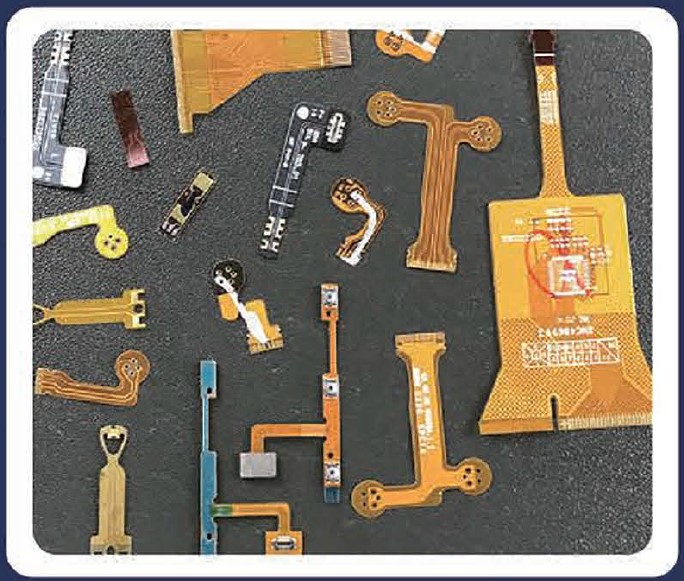
Flexible Printed Circuit (FPC) Arrangement:
Flexible printed circuits, also known as FPCs, are favored for their light weight, thin profile, and ability to bend and fold. They are widely used in commercial electronic devices, mobile phones, tablets, laptops, cameras, camcorders, CD-ROMs, watches, computers, medical instruments, and many other electronic products and equipment. In customers’ automated FPC assembly production, automatic feeding is difficult due to the soft material and irregular shapes of FPCs, which directly affects the speed of factory automation. Using the WRL-300–500 series flexible vibratory feeders to arrange FPC products can effectively solve the problem of difficult separation and singulation caused by soft materials. For medium-to-large FPC products, the 500 series flexible vibratory feeder can also effectively flip parts for orientation and positioning.
Thin Sheet Part Arrangement:
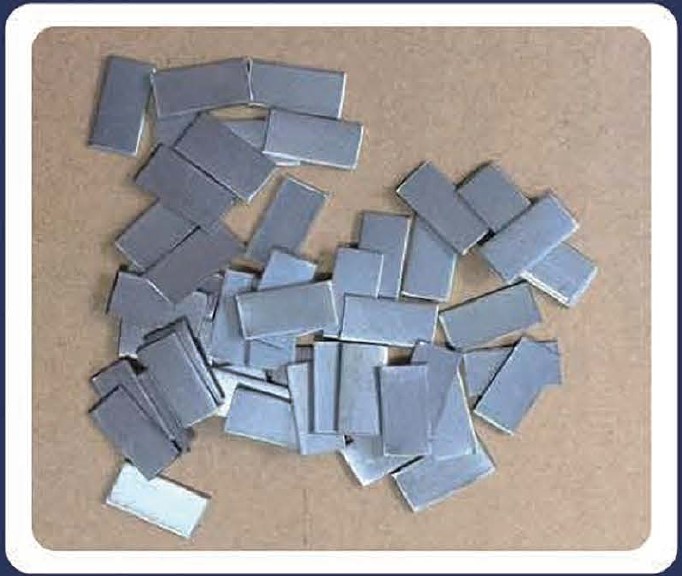
In automated production, many thin materials are fed using traditional bowl feeders to achieve higher production efficiency. However, because traditional bowl feeders rely on mechanical structures to control arranging and output, thin sheets are prone to stacking during the arranging process, which can easily cause jamming. Flexible vibratory feeders keep the arranging process smooth for thin sheet parts, making stacking and jamming less likely. This improves arranging speed and stability, thereby increasing production efficiency and reducing production costs.
Irregular-Shaped Part Arrangement:
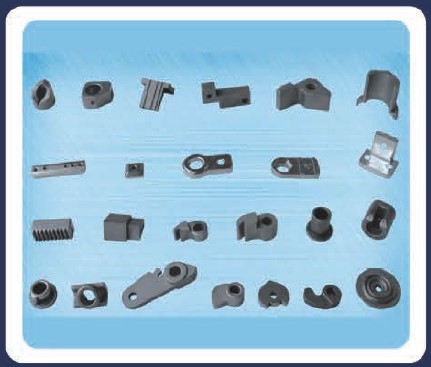
In industries such as metal processing and injection molding, small irregular-shaped parts vary in appearance and often require distinguishing between multiple faces and orientations. Using traditional bowl feeders to arrange such parts is very difficult, mainly because consistent orientation cannot be guaranteed. In addition, due to irregular shapes, traditional bowl feeders have limited compatibility and cannot adapt to multiple products sharing the same feeder. With a flexible vibratory feeder, parts can be automatically flipped and, through vision positioning, the correct face can be selected for robotic picking, maximizing avoidance of the problems encountered with traditional bowl feeders and offering strong versatility.
Electronic Component Arrangement:
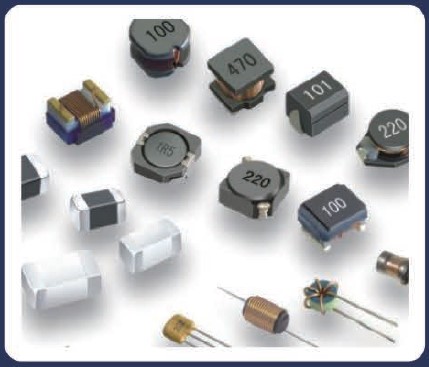
Electronic components include resistors, capacitors, potentiometers, vacuum tubes, heatsinks, electromechanical components, connectors, and more. Conventional electronic component arranging commonly uses traditional bowl feeders, but each feeder typically handles only one tray at a time and cannot arrange multiple products in a single automatic feeding machine, resulting in lower feeding efficiency and difficulty meeting current demands for electronic component feeding. Using a flexible vibratory feeder enables fast switching between multiple products, with high versatility and simple operation. It is widely favored for applications such as electronic component taping and tray loading.
No comments yet. Be the first to comment!
Leave a Comment